
Coding
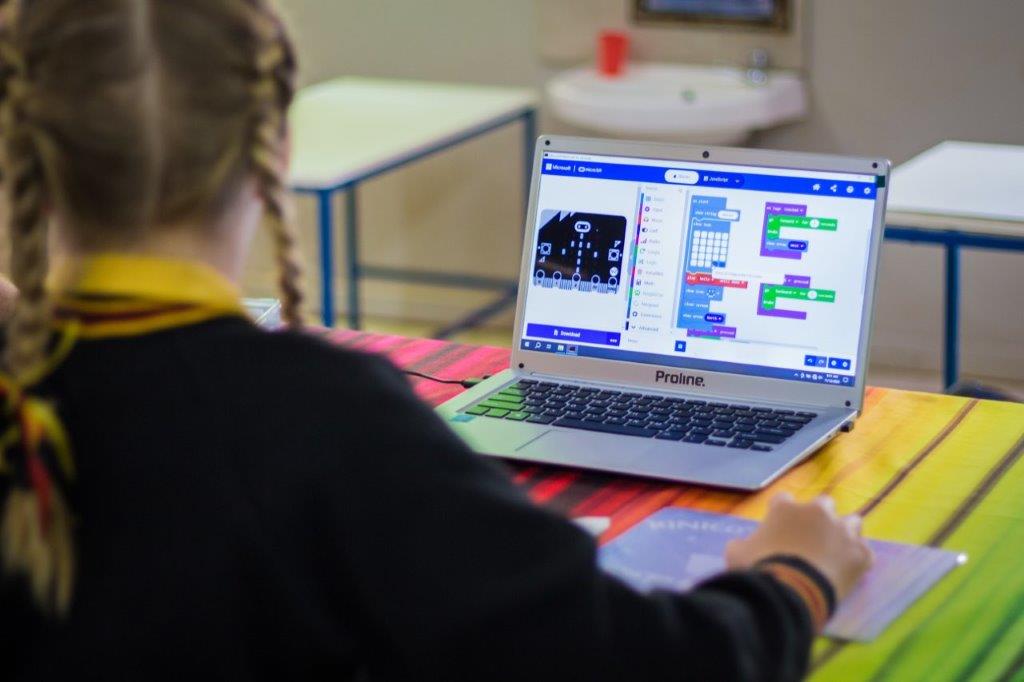
The process of teaching young learners how to give instructions to computers to make them perform specific tasks.
It introduces children to the fundamentals of programming using visual tools and activities that are simple, interactive and fun.
Kids learn basic concepts like sequences, loops, patterns and problem-solving by creating their own projects – such as animations and apps.
This early exposure to coding helps develop logical thinking, creativity and problem-solving skills – preparing them for a technology-driven future.
Key Components of Coding
1. Sequencing
- What it is: The concept of arranging commands or instructions in a specific order to achieve a desired outcome.
- Why it’s important: Sequencing helps kids understand that actions or tasks need to be done in the correct order to work properly – a fundamental concept in coding and problem-solving.
2. Patterns and Loops
- What it is: A loop allows actions to be repeated multiple times without having to rewrite the same instructions. Patterns refer to repeating sequences.
- Why it’s important: Recognizing and creating patterns is the key in coding, as it simplifies tasks and allows for more efficient programming. Kids can program robots to perform repetitive actions using loops or create repeatable animations in games.
3. Debugging
- What it is: The process of finding and fixing errors (or “bugs”) in code.
- Why it’s important: Debugging encourages critical thinking and perseverance. Kids learn to test their code, identify problems and find solutions – helping them become better problem-solvers.
4. Algorithms
- What it is: A set of step-by-step instructions for solving a problem or completing a task.
- Why it’s important: Kids learn how to break down tasks into smaller, manageable steps. This teaches logical thinking and helps them understand how complex problems can be solved by following clear instructions.
5. Creativity and Expression
- What it is: Using coding to create original projects such as stories, animations and games.
- Why it’s important: Coding isn’t just about logic – it’s also a tool for creative expression. Kids learn how to design and build digital art, tell stories and create games that are personal to them – combining both technical and creative skills.
6 Problem Solving
- What it is: The ability to break down a problem into smaller steps, think logically and find a solution through coding.
- Why it’s important: Coding teaches kids how to approach problems systematically, making them more efficient at tackling challenges both in and out of the coding world.
7. Understanding Computers and Technology
- What it is: Learning the basics of how computers and software work, including input, processing and output.
- Why it’s important: Kids gain a deeper understanding of the digital tools they use daily – helping them become more confident and informed users and creators of technology.
8. Interactive Learning
- What it is: Using fun, hands-on activities like coding apps.
- Why it’s important: Interactive learning keeps kids engaged and makes abstract concepts tangible. These activities help reinforce lessons and make coding feel more like play than work.
9. Storytelling Through Code
- What it is: Creating stories, animations and interactive adventures through code.
- Why it’s important: Coding can be a powerful way for kids to express themselves through storytelling. It fosters creativity, enhances their communication skills and allows them to bring ideas to life in digital form.